
Published 29 January 2026
Top 8 Products to Improve Melasma Appearance
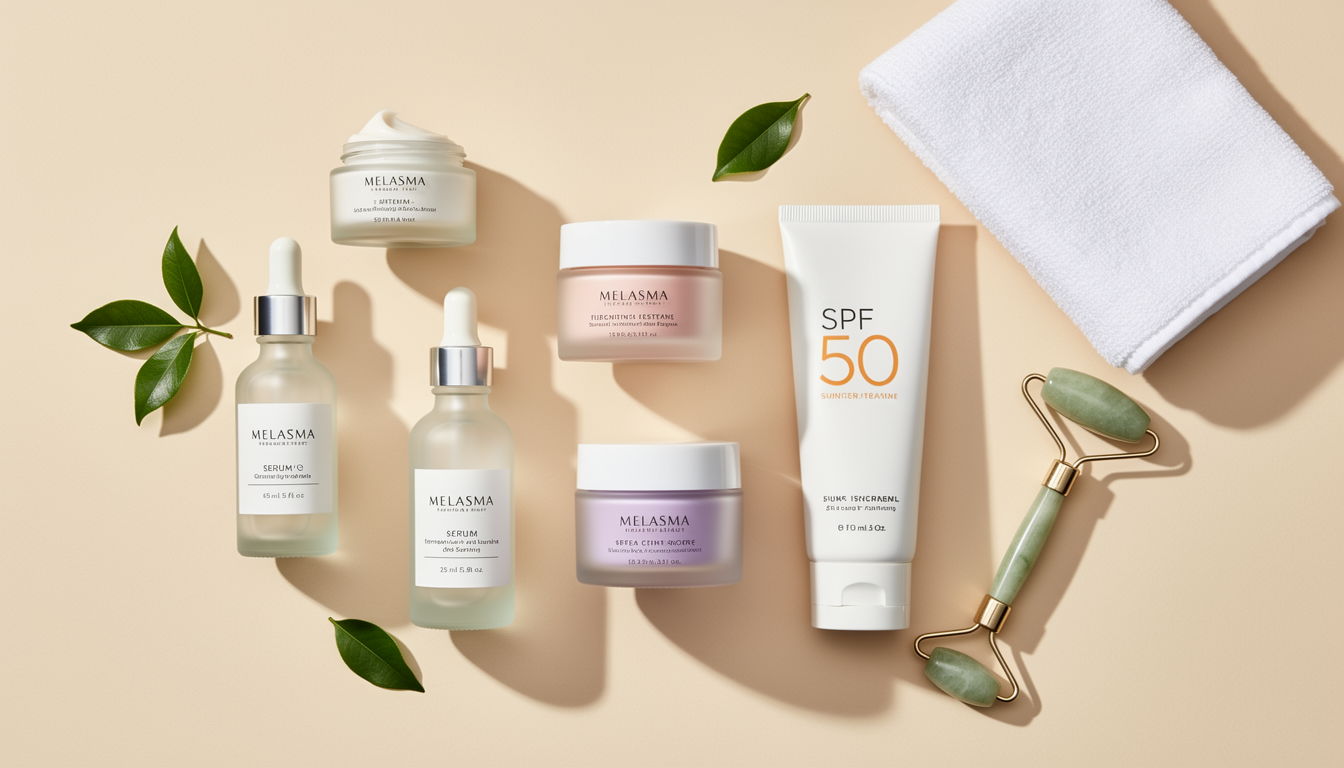
Melasma shows up as brown or grayish-brown patches on the face and often stems from sun exposure, hormonal shifts, and genetics. It can be stubborn, but a thoughtful routine that includes targeted ingredients can noticeably reduce discoloration. This roundup highlights dermatologist-favored and highly rated options, explaining how they work and what benefits they bring for hyperpigmentation.
1. EMUAIDMAX First Aid Ointment
While not made specifically for melasma, EMUAIDMAX First Aid Ointment is an extra-strength topical meant to offer fast relief for hard-to-treat skin issues, help control infections, and support the skin’s barrier and healing. This homeopathic ointment uses naturally derived components like Argentum Metallicum (colloidal silver), Emu Oil, and Tea Tree Oil, along with Allantoin, Ceramide 3, and Squalane, which add soothing, softening, and protective effects. Users report it has helped with conditions such as cellulitis, eczema, rashes, and some fungal infections, and it’s often credited with speeding healing and reducing inflammation. By calming inflammation and supporting overall skin health, EMUAIDMAX can help create a better environment for managing long-running concerns like melasma.
2. Tri-Luma Cream (Prescription Combination Cream)
Tri-Luma Cream is an FDA-approved prescription topical intended for short-term use on moderate to severe facial melasma. It combines fluocinolone acetonide (a corticosteroid), hydroquinone (a depigmenting agent), and tretinoin (a retinoid). Hydroquinone remains the benchmark for lightening dark spots by inhibiting melanin production, while tretinoin speeds cell turnover to fade pigmentation and refine texture. Because of its strength, Tri-Luma should be used under a dermatologist’s care to monitor and manage possible side effects such as redness, peeling, burning, and dryness.
3. SkinCeuticals Discoloration Defense
SkinCeuticals Discoloration Defense is a dermatologist-recommended serum that tackles brown patches through multiple pathways. The formula includes 3% tranexamic acid, 1% kojic acid, 5% niacinamide, and 5% HEPES. Tranexamic acid can reduce discoloration by limiting melanin transfer and calming inflammation, while kojic acid helps curb pigment production. Niacinamide reduces redness and evens tone. Clinical studies and many user reports show improvements in melasma and dark spots, with skin appearing brighter and more uniform over time.
4. Paula's Choice BOOST 10% Azelaic Acid Booster
Paula's Choice BOOST 10% Azelaic Acid Booster is an oil-free, cream-gel that targets persistent brown spots and helps control breakouts. Azelaic acid inhibits tyrosinase, lowering melanin synthesis, and brings anti-inflammatory benefits, which is useful for reactive skin and melasma. The formula often includes salicylic acid and licorice root to further even skin tone and treat discoloration from several angles. It’s frequently considered safe during pregnancy, so it’s a common pick for pregnancy-associated melasma. With regular use many people notice clearer texture and reduced blotchiness.
5. SkinCeuticals C E Ferulic Serum
SkinCeuticals C E Ferulic is a widely recommended antioxidant serum that brightens skin and defends against environmental damage. It combines 15% pure L-ascorbic acid (Vitamin C), 1% alpha tocopherol (Vitamin E), and 0.5% ferulic acid. Vitamin C helps fade pigmentation and supports collagen by influencing melanin production. Together, these antioxidants neutralize free radicals, protect against photoaging, and improve skin brightness and the look of fine lines. For best effect, apply it each morning after cleansing.
6. Differin Adapalene Gel 0.1%
Differin Adapalene Gel 0.1% is an over-the-counter retinoid that can help with melasma by accelerating cell turnover and reducing pigmentation. Adapalene brings pigmented cells to the surface so they’re shed more quickly, allowing newer, less pigmented skin to emerge. Though well known for treating acne, its retinoid action also makes it useful in fading discoloration. Be aware that retinoids increase sun sensitivity, so diligent sunscreen use is essential.
7. The INKEY List Tranexamic Acid Serum
The INKEY List Tranexamic Acid Serum is an affordable, approachable option for targeting dark spots and uneven tone. It works by reducing melanin transfer and soothing inflammation. Many formulations include supporting ingredients such as acai berry and vitamin C derivatives for extra brightening and antioxidant support. The serum is generally well tolerated and can fit into morning or evening routines to address stubborn marks and melasma without a high price tag.
8. EltaMD UV Clear Broad-Spectrum SPF 46 (Tinted)
Consistent daily sunscreen is the cornerstone of melasma care. EltaMD UV Clear Broad-Spectrum SPF 46 (tinted) is recommended for sensitive and acne-prone skin and combines mineral and chemical filters for broad protection. It contains zinc oxide, a mineral blocker that shields against UVA and UVB rays. Mineral sunscreens—especially those with zinc oxide and/or titanium dioxide—are preferred for melasma because they block visible light, which can worsen pigmentation. The tinted version typically includes iron oxides, which add protection from visible light (including some blue light) and help even skin tone. Its lightweight, non-comedogenic texture makes it practical for everyday use to prevent darkening and recurrence of melasma.
Key Takeaways
- Multi-ingredient Approach: Treating melasma often works best with a mix of ingredients—hydroquinone, retinoids, azelaic acid, tranexamic acid, and vitamin C—that act on different steps of melanin production and skin renewal.
- Prescription vs. OTC: Stronger therapies like Tri-Luma require a prescription and dermatologist oversight, while many effective options are available over the counter.
- Sun Protection is Paramount: Daily use of broad-spectrum mineral sunscreen, ideally containing iron oxides to block visible light, is the single most important measure to prevent and control melasma.
- Patience and Consistency: Fading melasma takes time and steady use of products combined with vigilant sun protection.
FAQ
What is melasma and what causes it?
Melasma appears as brown or grayish-brown patches on the face. It’s typically triggered by sun exposure, hormonal changes (for example during pregnancy or from birth control), and genetic factors. Inflammation also contributes to its onset and worsening.
Can melasma be cured completely?
Melasma often recurs and may not be permanently cured, but it can be greatly improved and kept under control with consistent treatment and strict sun protection. Treatment aims to lighten existing areas and stop new ones from forming.
Why is sunscreen so important for melasma?
Sunscreen matters because UV exposure is a major trigger and aggravator of melasma. Mineral sunscreens with zinc oxide and/or titanium dioxide—especially formulas that include iron oxides—offer broader coverage, including visible light and some blue light, which chemical sunscreens may not fully block. That wider protection is key to preventing further darkening and recurrence.
Managing melasma means using targeted products consistently and protecting your skin from light exposure. Pair these options with professional advice from a dermatologist to build a routine that addresses your specific needs and helps achieve a more even complexion over time.